November 13, 2026
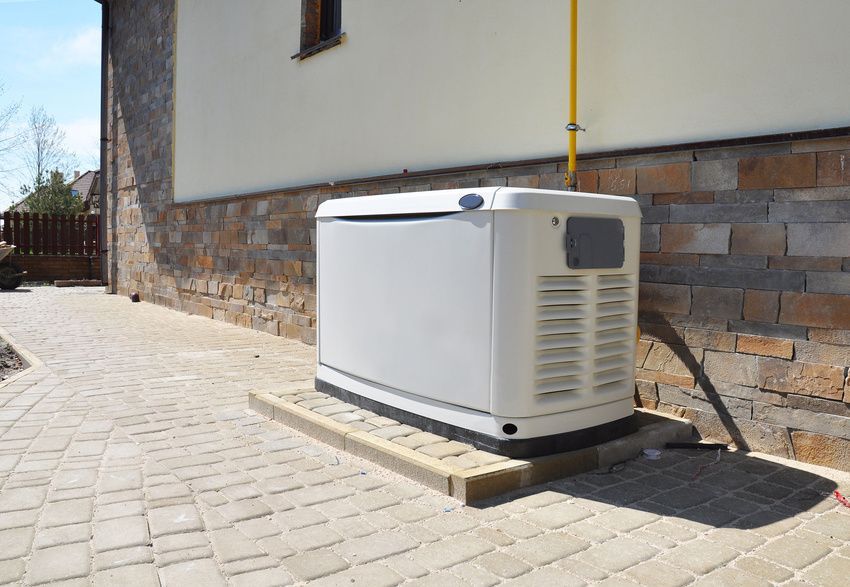
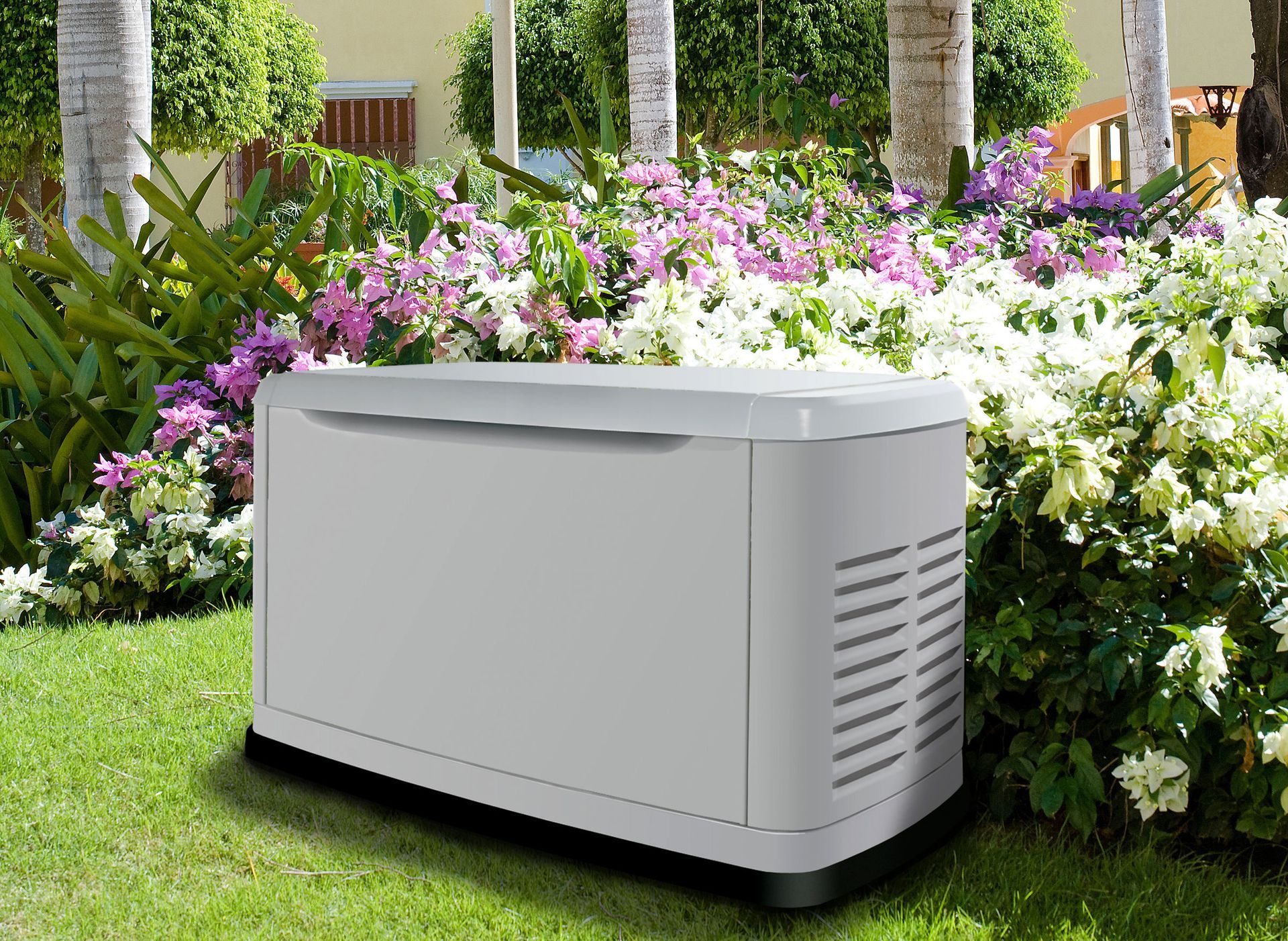
Florida homeowners know that reliable backup power can make a difference when severe weather interrupts the electrical supply. A standby generator can help keep essential household systems operating during an outage, but installation is only the beginning of protecting that investment. Consistent professional maintenance helps home generators remain dependable and may extend their useful service life.
Like other mechanical systems, generators experience wear while running and can develop problems while sitting idle. Moisture, heat, dust, aging components, and fuel-related concerns may affect performance over time. Routine servicing gives a qualified technician an opportunity to identify developing issues, assess important parts, and address maintenance needs before an emergency occurs.
Preventing Premature Component Wear
A backup generator relies on several components working together, including the engine, battery, cooling system, and electrical connections. When one part begins to deteriorate, it may affect other components or place additional strain on the equipment.
During a professional service appointment, a technician can inspect home generators, evaluate component condition, and determine whether adjustments or replacements are needed. Finding wear early may reduce the likelihood of more extensive repairs later.
Engine oil also deserves attention because it reduces friction between moving parts. As oil ages or becomes contaminated, it may provide less effective lubrication. Following the manufacturer's maintenance schedule helps keep this essential task on track.
Maintaining Reliable Electrical Performance
A generator must deliver suitable electrical output to support the appliances and systems connected to it. A professional can check operating performance, inspect wiring and connections, and assess components that help distribute power safely.
The transfer switch is particularly important. It moves the electrical supply between the utility connection and the backup system. If it does not function correctly, electricity may not reach the circuits intended to receive backup power. An inspection can help identify problems with the switch and related connections.
Refrigeration, air conditioning, lighting, security equipment, and pool equipment may all be priorities during an outage. Keeping home generators properly maintained helps homeowners prepare for those demands, although the amount of equipment that can run at once depends on the unit's capacity and the property's electrical design.
Protecting Fuel and Engine Systems
Fuel quality and delivery influence how reliably a generator operates. Depending on the model, the equipment may use natural gas, propane, diesel, or another approved fuel. Each type has specific requirements for storage, supply, and maintenance.
Fuel-related concerns can arise when connections deteriorate, components become damaged, or supply lines develop problems. A qualified technician can inspect the fuel system and look for conditions that could interfere with engine operation.
Air filters and other engine components also need periodic attention. Restricted airflow can interfere with combustion, while worn parts may contribute to unnecessary strain. The correct service interval for home generators depends on the manufacturer's guidance, model, fuel type, operating hours, and local conditions. Professional maintenance follows those requirements rather than relying on a one-size-fits-all schedule.
Preparing for Florida's Weather Conditions
Florida's climate presents particular challenges for outdoor equipment. High humidity, heavy rainfall, coastal salt air, and intense summer heat can gradually affect exposed components. These conditions make preventive maintenance valuable throughout the state.
Moisture and salt can contribute to corrosion on metal surfaces and electrical connections. Corrosion may weaken connections or interfere with electrical conductivity if it is not addressed. Heat can also place added demands on cooling systems, particularly when a generator runs for an extended period during an outage.
Professional inspections help identify environmental wear, corrosion, and damage that could affect home generators. Technicians can assess exposed components and recommend appropriate maintenance or protective measures. Scheduling annual service before Florida's hurricane season gives homeowners time to address developing concerns, prepare for severe weather, and improve the reliability of their backup power systems when unexpected outages occur.
Supporting Pool Equipment During Power Outages
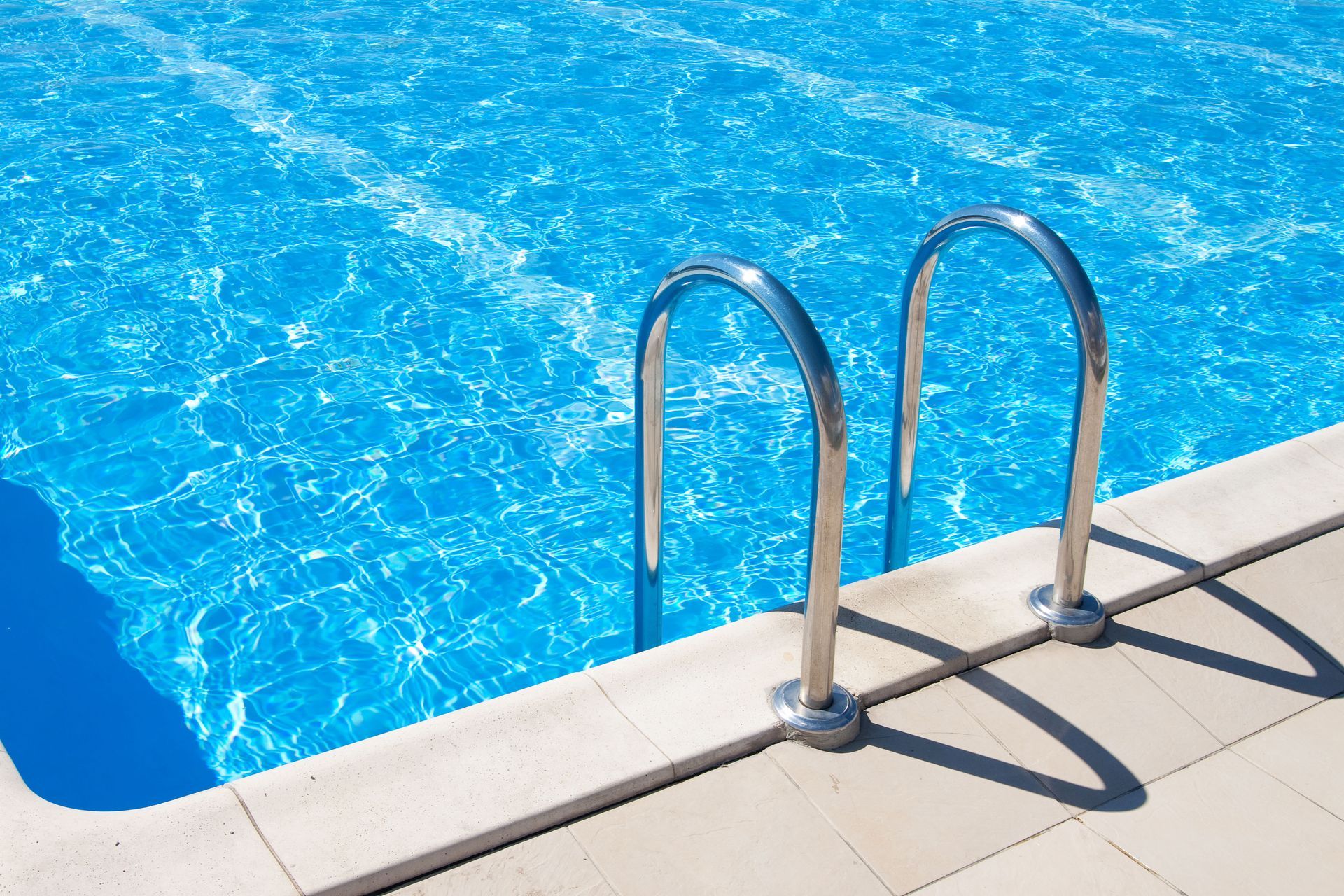
For households with swimming pools, backup electricity may support more than indoor comfort. Pool pumps, filtration equipment, and automation systems rely on power to perform their intended functions. If an outage interrupts circulation for an extended period, water quality may become harder to maintain, and algae can develop.
A generator must be appropriately sized for the electrical loads it is expected to support. Pool pumps can require more power during startup than during normal operation, so their demands should be considered as part of the property's overall electrical plan. A professional can help assess which circuits and equipment can be supported without exceeding the generator's capacity.
Routine servicing helps preserve the system's ability to supply power when needed. Homeowners with pools should discuss their priorities during installation planning so the backup arrangement reflects both household needs and outdoor equipment.
Scheduling Professional Maintenance Consistently
A generator may appear ready while still having an issue that is not obvious during everyday use. Batteries can weaken, connections can corrode, and other components can deteriorate while equipment sits idle. Regular professional servicing helps uncover concerns before the system is needed.
According to HomeAdvisor, homeowners should schedule professional maintenance for home generators once a year. Annual servicing allows a qualified technician to inspect components, evaluate performance, and identify developing issues before they lead to costly repairs. However, maintenance frequency may vary depending on the manufacturer's recommendations, operating hours, and equipment condition.
Following the recommended service schedule helps protect important components and supports long-term reliability. Florida homeowners should consider scheduling inspections before hurricane season to allow enough time for necessary repairs.
Consistent professional attention helps keep home generators ready for unexpected outages and provides greater confidence that essential household systems will have backup power when severe weather arrives.
Recognizing Signs of Developing Problems
Some problems produce warning signs before a breakdown. Unusual grinding, rattling, or knocking sounds may indicate a mechanical concern. New or excessive vibration can also suggest that a component needs professional evaluation.
Starting difficulties deserve attention as well. If the unit starts inconsistently, takes longer than usual to activate, or does not respond during a scheduled test, the cause may involve the battery, fuel delivery, or electrical system. Other warning signs include visible corrosion, fluid leaks, error messages, and unexpected shutdowns.
If a problem appears, homeowners should arrange an assessment with a qualified generator professional. Prompt diagnosis can help limit further damage and clarify whether maintenance or repair is needed.
Planning for Long-Term Reliability
Extending the service life of generators requires more than addressing problems after they occur. Proper installation, appropriate sizing, routine professional inspections, and manufacturer-recommended maintenance all contribute to reliable performance.
Because home generators represent a significant investment, consistent servicing helps protect important components, identify early signs of wear, and reduce the likelihood of unexpected repairs.
Installation planning is equally important, particularly for properties with substantial electrical demands. A properly selected system should account for essential household appliances and outdoor features, including swimming pool pumps, filtration equipment, and automation systems. Evaluating these requirements helps ensure the generator can support the property's intended electrical needs without exceeding its capacity.
For Florida homeowners, dependable backup power can help maintain household comfort and protect outdoor amenities when severe weather causes power outages. Preparing the system before hurricane season also gives homeowners time to address maintenance concerns.
Aquatech Pools GC helps property owners plan whole-house generator installations based on their household and outdoor living needs. Contact the team to discuss professional generator installation and find a backup power solution for your Florida property.